


Scenario & Issue
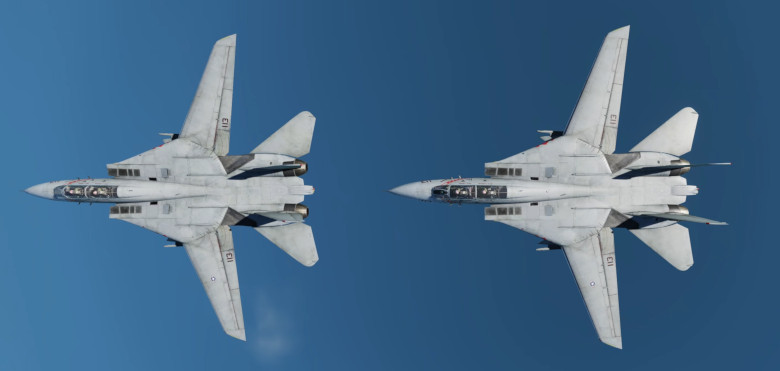
These are two F-14 Tomcats flying as close as the AI allowed me to. The distance between them is somewhere between a third and a fourth of the F-14’s length. Therefore, circa between 5-6 meters.
The Tomcat Section and the JF-17 are flying “true head-on”. Ergo, the target aspect and antenna train angle are a solid zilch, or the aspect angle is 180.
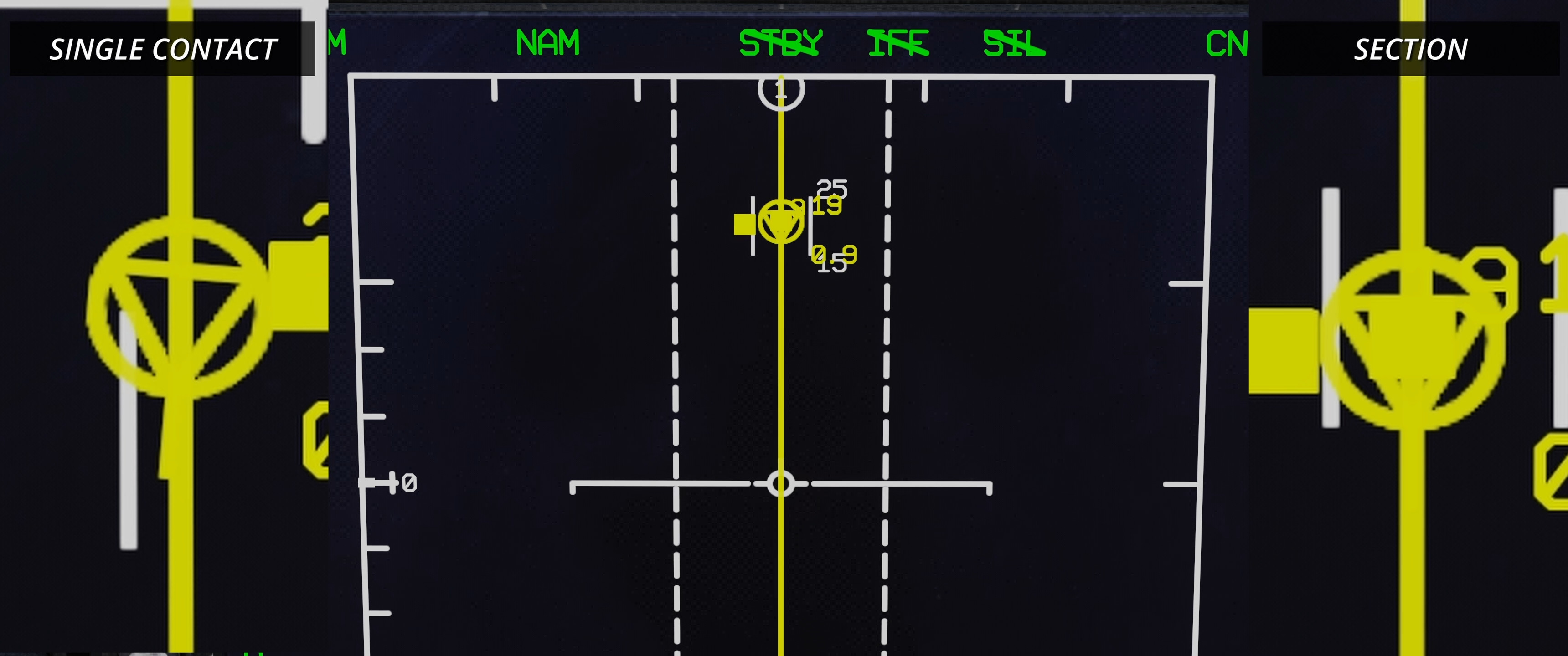
As I was testing the capabilities of the KLJ-7, I noticed something. Although the targets are flying literally one on top of the other, the JF-17 can bug and track both simultaneously, causing the radar mode to switch to DTT, the acronym for Dual-Target Tracking.
It takes some attempts to do it right due to the High PRF setting and because double-bugging leads to STT, or Single-Target Track. However, this is not the point: the problem is that the KLJ-7 simulation does not seem to replicate radar resolution cells. Without going into the details, radars struggle to discern contacts closely flight together and tend to represent the returns as a single contact. The JF-17’s radar instead not only can do that, but allows the pilot to engage both. This is a big problem as the radar can maintain a lock and support a missile on manoeuvring targets in situations where the radar may not be able to do it.

Although my knowledge of radars is below basic, I am aware that modern radars can use details such as the number of blades’ returns and other peculiarities to improve detection and identify threats. However, I repeated the test with a Section in parade flying with DoP, or Direction of Pass, right to left and decreasing target aspect from flanking and cold, with no discernible difference.
Also, looking closely, you can immediately tell that something’s going on. The brick on the left is a single contact; the one on the right is our familiar Section. Look closely at the HAFU as I bug one and than the other. Do you see the rectangle indicating a second contact? This means that besides Dual tracking shenanigans, a pilot just has to bug a contact to know immediately if more than one aircraft is present. I am not entirely sure even AESA radars can do that?
Why It Matters
My impression is that although variables such as RCS and PRF are simulated, other aspects are not and are ignored. The ability to discern the number of contacts is paramount in terms of Situational Awareness and the flow of the engagement. This is why tools such as external pods or the Television Camera Set of the F-14 and similar modern solutions present in aircraft such as the Eurofighter are useful, as radars are not reliable enough.
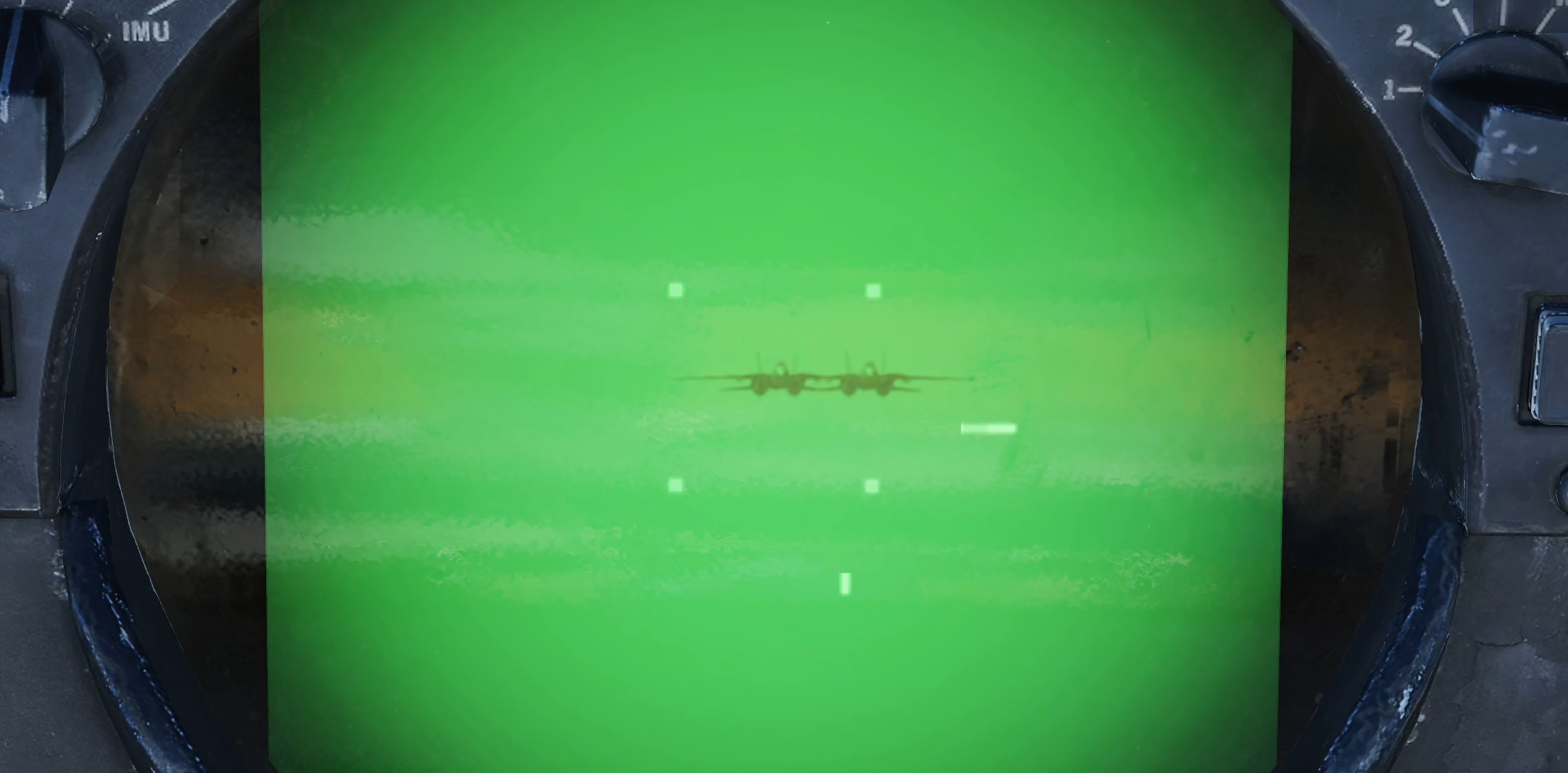
On top of that, the mentioned ability of the KLJ-7 to track and support missiles in a variety of situations when it should not be able to. This also leads to the question of what else the radar can do but should not be able to.
F-14 Tomcat: Issue
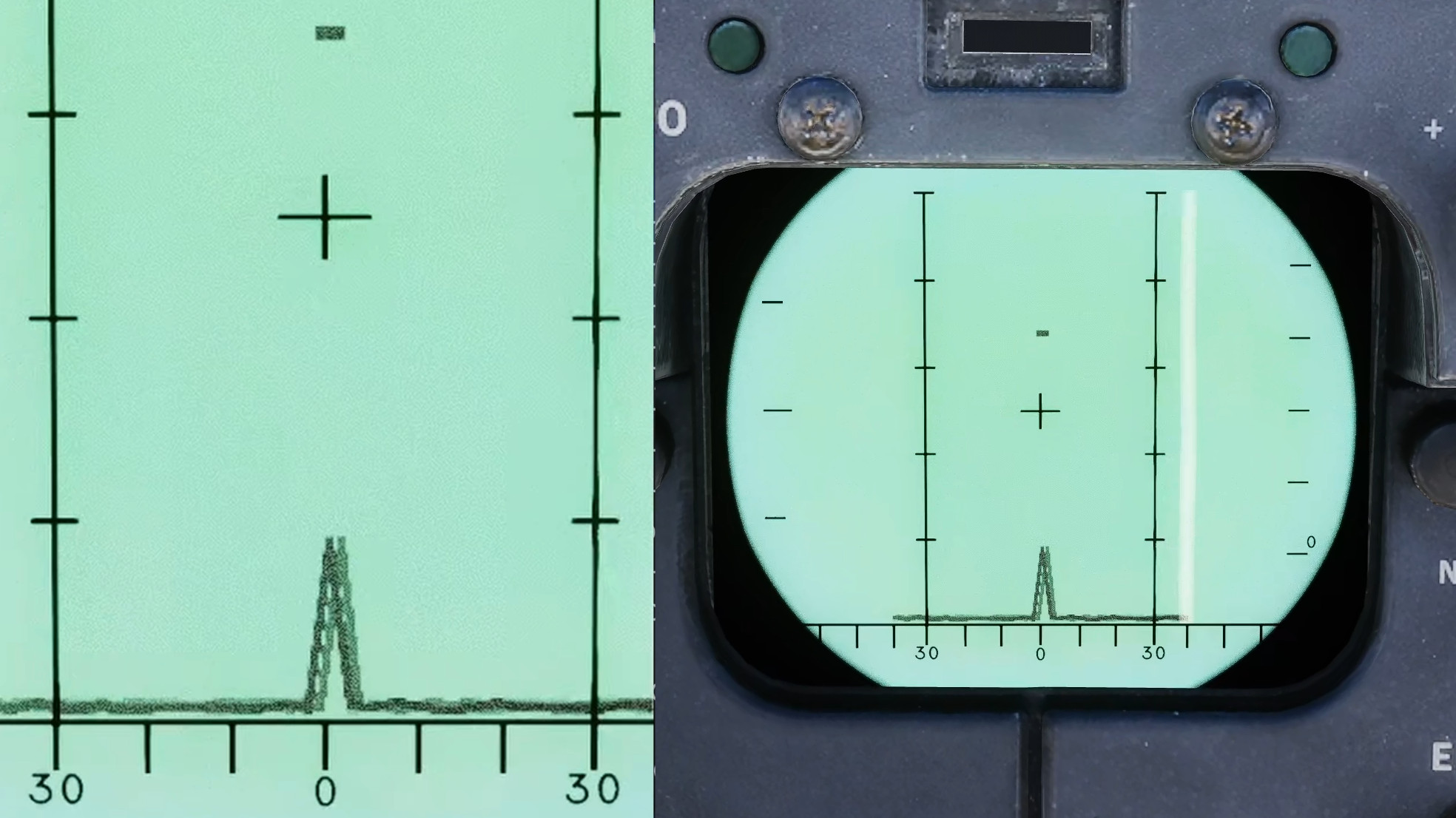
I also looked at how the F-14’s AWG-9 represents the scenario and found a minor issue. The TID, or Tactical Information Display, represents a single target, whereas the AGC trace, or Automatic Gain Control, shows two peaks. After raising this issue to the brilliant Heatblur devs, they agreed that the AGC should be a single peak but wider and thicker to represent the greater returns. The TID is instead fine, as the radar resolution cells are simulated.
That’s it for this video. Let me know what you think about this issue, and whether it is an issue at all in your opinion.
 FlyAndWire