
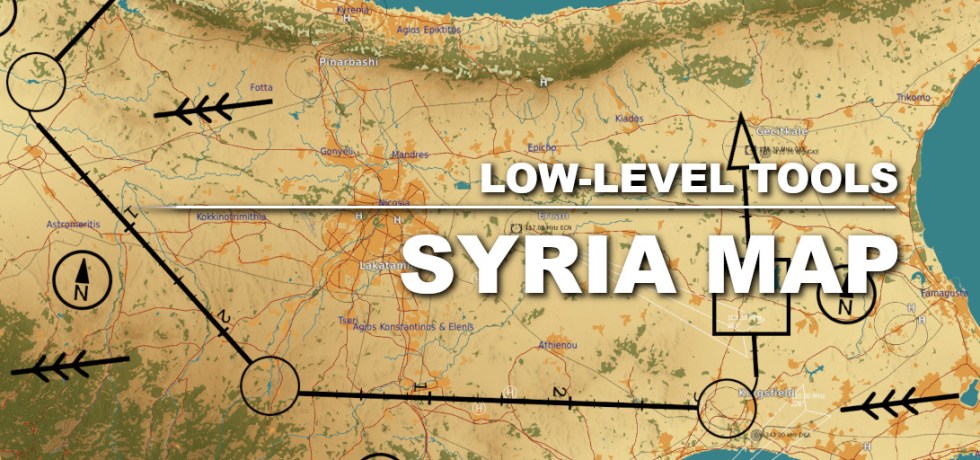
Low-Level Tools: Syria Map
I recently applied for a group that uses the Syria map. Their initial checkride includes an A/G part, so I decided to update my low-level and navigation tools to support this scenario.
I recently applied for a group that uses the Syria map. Their initial checkride includes an A/G part, so I decided to update my low-level and navigation tools to support this scenario.
Whilst cruising in the hoggit subreddit, I noticed a post about operating an A-10C in highly contested scenarios. What caught my attention is that almost everyone who commented mentioned Surface-to-Air Missiles as the primary threat. No one mentioned AAA, acronym for Anti-Aircraft Artillery. How come?
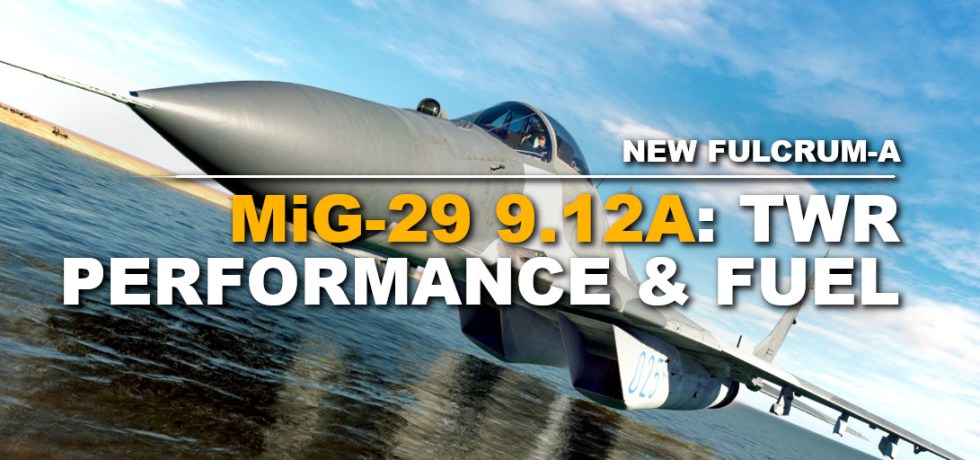
The MiG-29 9.12 is a lightweight, stupidly powerful, twin-engine fighter. Introduced in 1983, the version portrayed in DCS is its export derivative, the 9.12A. This study compares the Fulcrum’s performance with other modules of its era: F-14, F-4, Mirage F1.
Along with the few features brought by the just-released MiG-29 9.12A, there is a series of improvements to the R-27 family. This discussion is the first look at the new missiles’ capabilities.
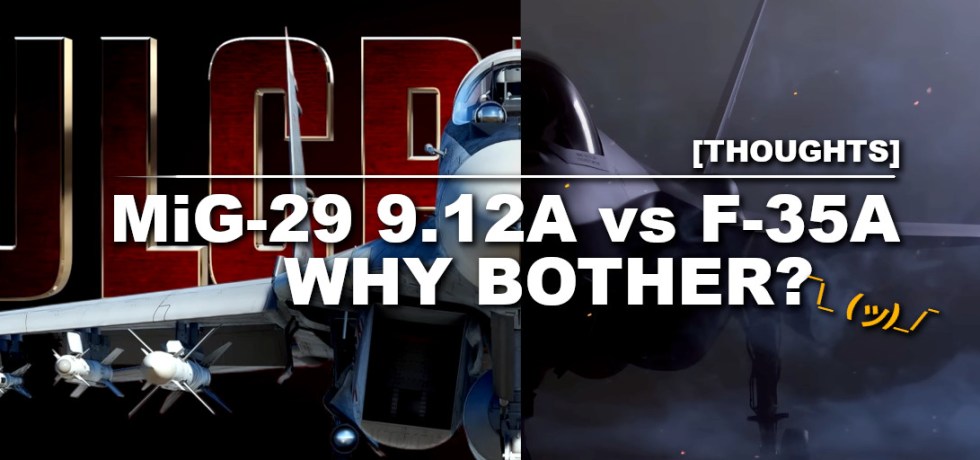
A few months have passed since the announcement of the MiG-29 9.12A. Nevertheless, I still see frequent comments about the inutility of the Fulcrum against the upcoming F-35 and other post 2010s fighters. And every time I ask myself: why do people bother?
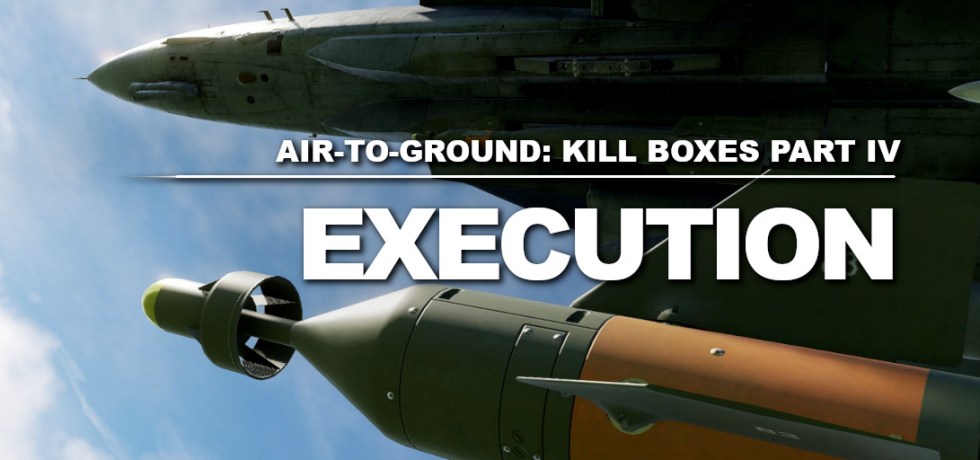
Kill Boxes are not required for all air interdiction missions, but they are designed to facilitate the interdiction of mobile targets and the engagement of targets in areas where their location is imprecise or unknown.
Kill Boxes also facilitate the execution of SCAR missions, engagement of time-sensitive targets and the suppression of enemy air defences (SEAD).
 FlyAndWire