

F-4E Air-to-Air Intercepts: Practice – Phantom Phamiliarisation VII
After the recap of basic notions of intercepts and geometry of Part VI, we now see how things are put into practice.
After the recap of basic notions of intercepts and geometry of Part VI, we now see how things are put into practice.
As the F-4E draws closer, a quick review of the Air-to-Air intercepts with a B-Scope and Pulse mode is in order.

The F-4E radar and avionics have a few incredibly cool features, and this is, in my opinion, one of the most interesting parts of the Phantom Phamiliarisation discussion so far.
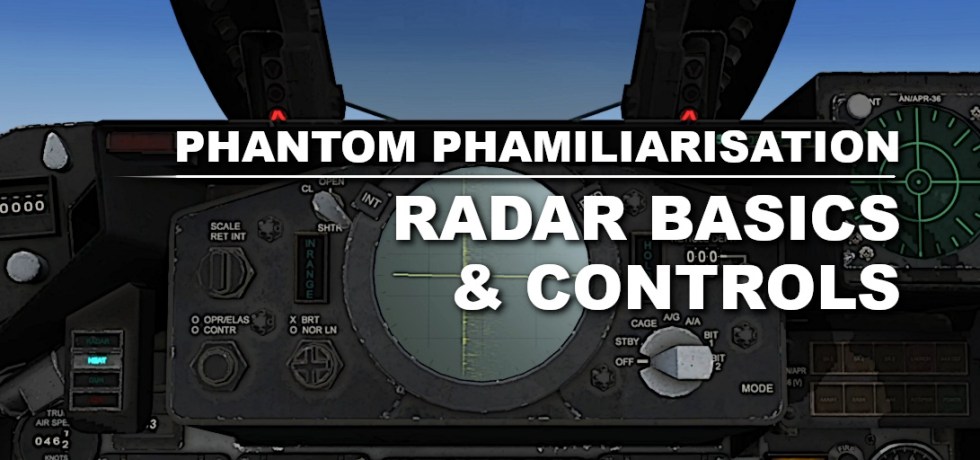
The radar mounted in F-4E Phantom II radar is the Westinghouse AN/APQ-120, a Pulse radar that well suited the necessity of a smaller radar dish to allow the installation of the M61A1 20mm Vulcan rotary cannon.
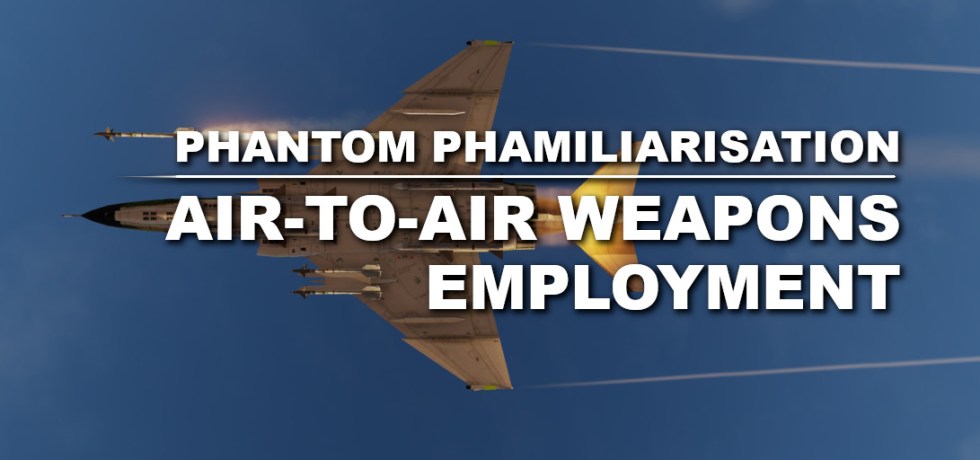
The F-4E is one of the most exported Phantom versions in the world. Dubbed the “Kurnass” or Sledgehammer, by the Israeli, it was widely used by the Iranian IIAF, later rebranded into the Islamic Republic of Iran Air Force. The Phantom-E has fought through many wars and eras, from Vietnam to the Yom Kippur War in the 70s, to the Iranian – Iraqi war of the 80s. Although often tasked to perform air-to-ground or anti-shipping missions, it proved itself capable in the skies as well.

In this second part of the Phantom Phamiliarisation, we have a look a what makes the F-4E different from the previous Phantoms and its Navy brothers: guns, and slats.
 FlyAndWire