
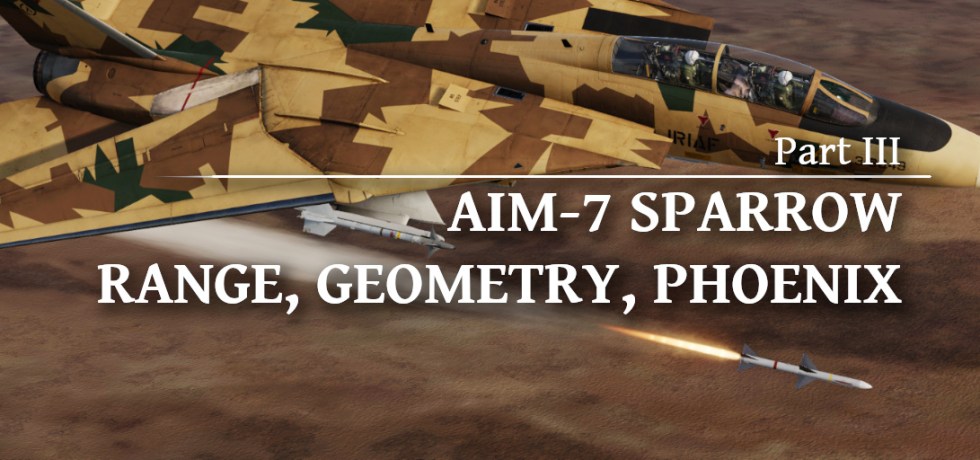
The AIM-7 Sparrow: Range, Geometry, Phoenix [Part III]
Part III shows additional tests, such as the performance at different ranges, different geometry, and a comparison with the AIM-54 Phoenix.
Part III shows additional tests, such as the performance at different ranges, different geometry, and a comparison with the AIM-54 Phoenix.
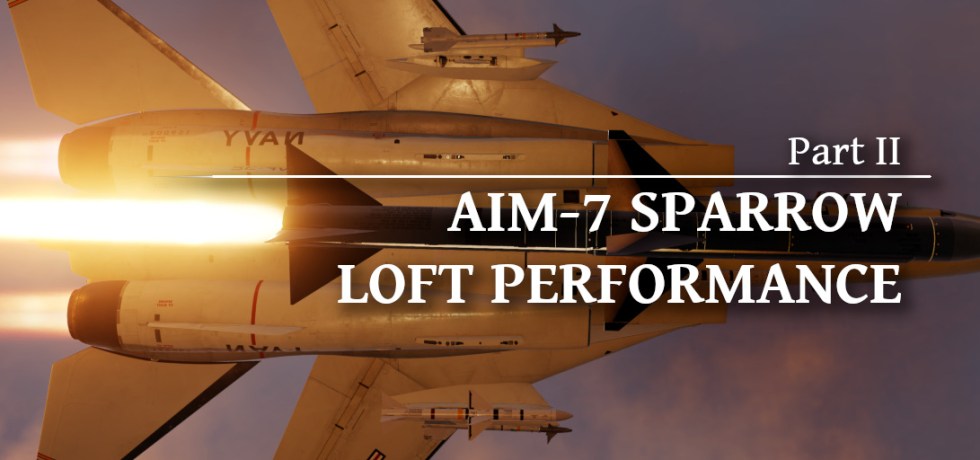
Part II of the AIM-7 study focuses on the loft, a familiar technique that allows the AIM-7 to invest energy into altitude as the rocket motor burns, and then cash in by converting altitude to speed and range.
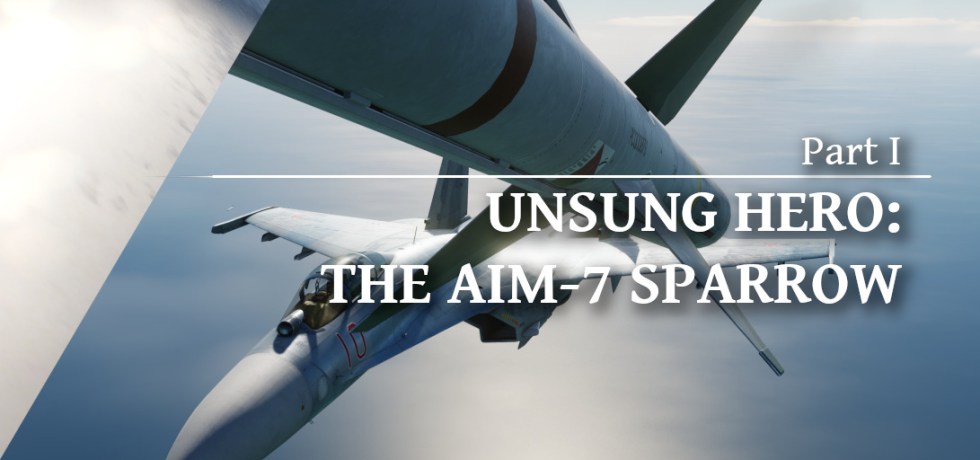
The AIM-7 Sparrow is often overshadowed by the AIM-54 Phoenix and the AIM-120 AMRAAM, to the extent that many in DCS prefer to skip it entirely.
The Sparrow is, in DCS, a surprisingly capable missile, if used correctly. This study aims to improve the understanding of the performance, peculiarities, and properties of this missile, to achieve better results with it.

The second brief look at the new AIM-54 is about the energy. How to describe it? Well, something in-between “gotta go fast” and “gotta go high“! Speed and altitude, and especially the latter, are now key factors.
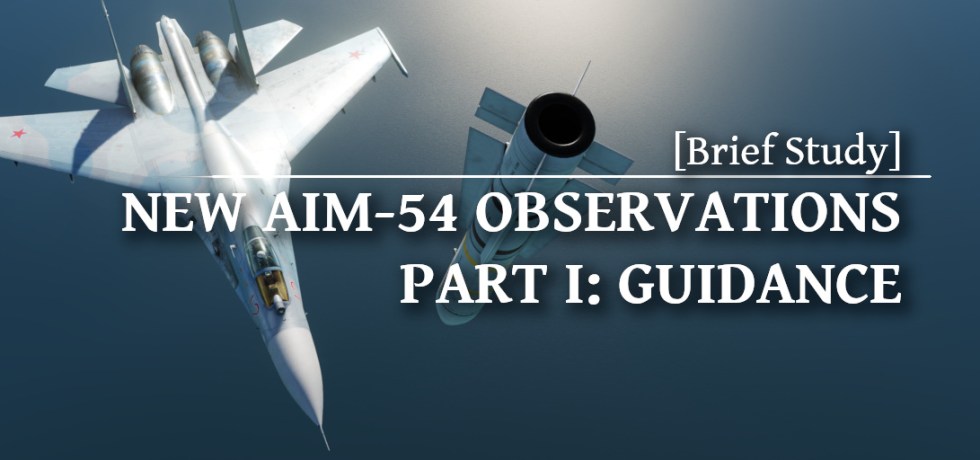
As mentioned a few times already, I do not want to commit to a full study of the AIM-54 until it is considered finalised. Thus, this is a quick look at the new missile implementation, starting from the most interesting aspect: the new guidance.
There is a huge number of topics, details, and procedures a virtual F-14 crew must know to be proficient.
The one described in this article is one of the most common issues impacting the Tomcat when it operates from a Carrier, and can be fixed in a matter of seconds. Not doing it, can make a huge difference in a mission.
 FlyAndWire